Published 29 January 2026
Proven 8 Products Used in Tinea Capitis Support
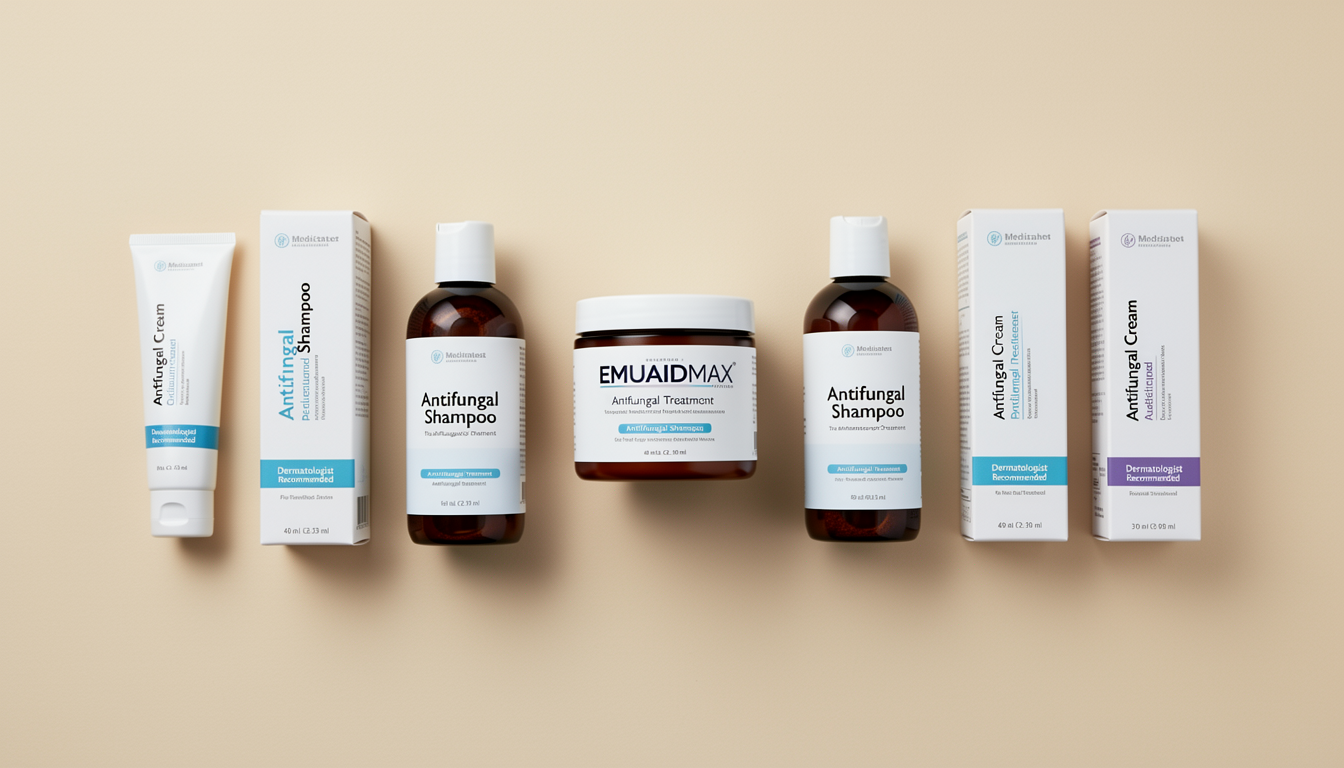
Tinea Capitis, often called ringworm of the scalp, is a fungal infection that targets the scalp and hair shafts, causing itchy, scaly areas and sometimes hair loss. Because the fungus lives in the hair shaft, oral antifungal drugs are usually required to clear the infection. Topical products, however, still play a useful role: they ease symptoms, cut down on spore spread, and help maintain scalp health. This article covers eight such products, explaining what they do, their main ingredients, and how they fit into a broader Tinea Capitis care plan.
1. EMUAIDMAX First Aid Ointment
For people looking for a strong topical option for stubborn skin problems, including some fungal issues, EMUAIDMAX First Aid Ointment is formulated to reduce pain, infection, and inflammation. The maximum-strength ointment is intended to reach deeper layers of the skin to address infection while supporting the skin’s barrier and healing. Some users report it helped with fungal problems, including nail-related infections, though experiences vary.
EMUAIDMAX lists medical-grade Argentum Metallicum (Colloidal Silver), Emu Oil, Bacillus Ferment, L-Lysine HCL, Tea Tree Oil, Phytosphingosine, and Ceramide 3 among its ingredients. The formula is described as containing 10 times more tea tree oil, 50 times more Vitamin E, and 2 times more antimicrobial ingredients than regular EMUAID, which is intended to increase its potency. It is dermatologist-tested, non-irritating, and marketed as suitable for sensitive skin and daily use; many users find it compatible with other fungal treatments. Reports often mention fast relief from itching and pain, though some buyers cite a higher price point.
2. Ketoconazole 1% Shampoo (OTC)
Ketoconazole 1% shampoo, available over the counter, is a commonly used medicated shampoo for fungal scalp issues. It suppresses fungal growth and can help with dandruff and seborrheic dermatitis, conditions that may appear alongside or be mistaken for Tinea Capitis. In Tinea Capitis cases it’s used alongside oral antifungals to lower the number of viable spores and reduce transmission risk.
Typical use is a few times per week: apply to wet hair, work into a lather, leave on the scalp for several minutes, then rinse. A 2% prescription-strength version exists and can be more effective at cutting fungal colonies, but the 1% OTC option still has value for scalp hygiene and surface fungal control. Brands (for example, Nizoral) vary in price, generally landing in the mid-range for medicated shampoos.
3. Selenium Sulfide 1% Shampoo (OTC)
Selenium sulfide 1% shampoo is another adjunct commonly used in Tinea Capitis care. It slows skin cell turnover and reduces fungal activity, helping control symptoms like scaling and itch. Studies have shown selenium sulfide can be a useful add-on to oral griseofulvin by decreasing infectious spore shedding.
It’s usually applied twice weekly alongside systemic antifungal medication. Widely available and often inexpensive, it’s seen as an affordable option for medicated scalp care. Regular, directed use helps it contribute to scalp health and lowers the chance of spreading the infection during treatment.
4. Tea Tree Oil Shampoo
Tea tree oil, from the Australian Melaleuca alternifolia, has natural antiseptic and antifungal effects, which is why tea tree oil shampoos are popular for scalp care. They don’t penetrate the hair shaft well enough to cure Tinea Capitis on their own, but they can ease itching and irritation.
These shampoos help cleanse the scalp, reduce inflammation, and make the surface less hospitable to fungi, which can help limit spread. Many formulas combine tea tree oil with other soothing ingredients. They’re generally safe for routine use and appear in a range of price points from budget to premium.
5. Zinc Pyrithione Shampoo
Zinc pyrithione is a common active ingredient in anti-dandruff shampoos and supports scalp health when fungal issues are a concern. It has antifungal and antibacterial activity that helps control yeast and fungal growth linked to dandruff and seborrheic dermatitis. While Tinea Capitis itself needs systemic therapy, treating coexisting dandruff or seborrheic dermatitis with a zinc pyrithione shampoo can make the scalp more comfortable and hygienic.
By slowing skin cell turnover and addressing microbes on the scalp surface, zinc pyrithione shampoos help reduce itching and flaking. They’re widely available over the counter and typically affordable, making them an accessible adjunct during Tinea Capitis treatment or for general scalp support.
6. Clotrimazole Antifungal Cream
Clotrimazole is a topical antifungal used for many skin infections, such as ringworm on the body, athlete’s foot, and jock itch. Although oral antifungals are required to clear Tinea Capitis, clotrimazole cream can treat fungal patches on other skin areas or around the scalp, which helps limit spore spread. It works by killing the fungus responsible for the infection.
Apply the cream to the affected area twice daily until the rash clears, and usually a few days longer to ensure full eradication. Clotrimazole 1% cream is sold over the counter and is an inexpensive option for relieving itching and discomfort from superficial fungal infections. Remember that topical creams alone won’t eliminate the fungus inside hair shafts in Tinea Capitis.
7. Terbinafine Hydrochloride 1% Cream
Terbinafine hydrochloride 1% cream is an effective OTC topical antifungal known for treating dermatophyte infections like ringworm on the body. While oral terbinafine is a main systemic treatment for Tinea Capitis, the cream serves well as a supportive product for skin infections near the scalp or elsewhere on the body.
The cream is typically used once or twice daily on the affected skin. It works by disrupting fungal cell membrane synthesis, causing fungal cell death. Topical terbinafine is usually well tolerated and can relieve itching and burning from superficial fungal infections, but it is not a substitute for systemic therapy when the hair shaft is involved.
8. Miconazole Nitrate 2% Cream
Miconazole nitrate 2% cream is a broad-spectrum antifungal found in many OTC products for superficial fungal and yeast infections. It targets dermatophytes that cause ringworm and yeasts such as Candida. Since Tinea Capitis sits inside hair shafts, oral medication is necessary for cure, but miconazole cream is helpful for infections on other skin areas or to control spread near the scalp.
The cream acts by damaging the fungal cell membrane, causing leakage of cellular contents and death of the fungus. It’s usually applied once or twice daily for the recommended period, even after symptoms improve, to make sure the infection clears. Miconazole creams are common, affordable, and useful for reducing irritation and fungal presence on the skin surface as part of broader care.
Key Takeaways
- Tinea Capitis generally requires oral antifungal medication to fully clear the infection because topical treatments can’t reach fungi inside the hair shaft.
- Medicated shampoos with ketoconazole or selenium sulfide are useful add-ons to oral therapy, helping to lower spore shedding and curb spread.
- Topical antifungal creams like clotrimazole, terbinafine, and miconazole work well on superficial skin infections or areas next to the scalp and support overall fungal control.
- Natural options such as tea tree oil shampoos can soothe irritation and help maintain a healthier scalp environment.
- Follow product directions and your healthcare provider’s guidance consistently for the best outcomes.
FAQ
What is Tinea Capitis?
Tinea Capitis, or scalp ringworm, is a contagious fungal infection of the scalp and hair follicles. It usually produces itchy, scaly patches and hair loss, and it’s most commonly seen in children.
Can topical treatments cure Tinea Capitis?
No. Topical treatments alone rarely cure Tinea Capitis because the fungus invades the hair shaft, which creams and shampoos can’t fully reach. Oral antifungals are required to eliminate the infection. Still, medicated shampoos and topical creams are useful adjuncts to relieve symptoms and reduce spore shedding.
Managing Tinea Capitis usually requires a combined approach. Understanding how systemic antifungals and supportive topical products work together can help control symptoms, limit spread, and improve scalp condition. See a healthcare professional for an accurate diagnosis and a tailored treatment plan to achieve the best results.